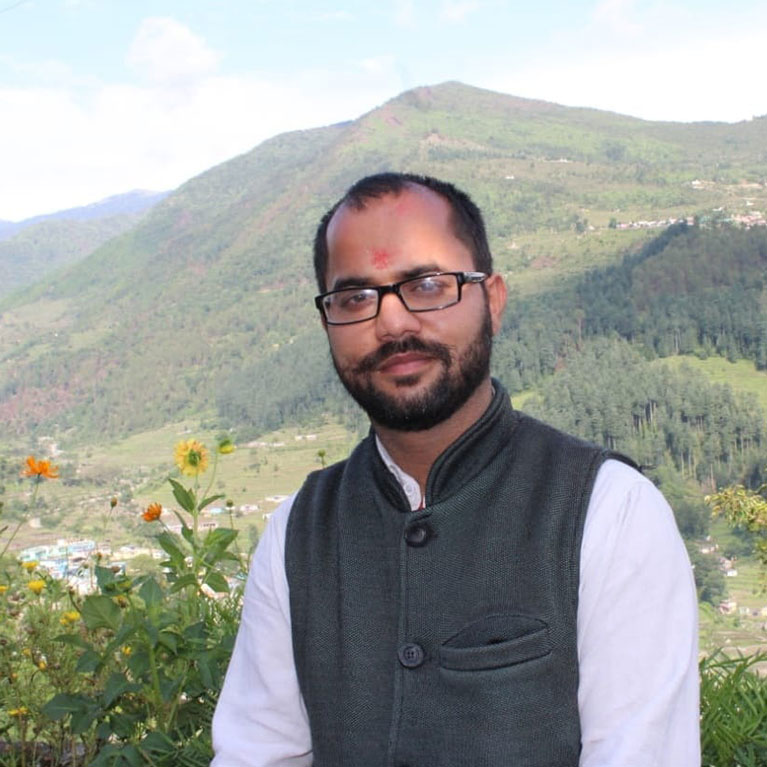
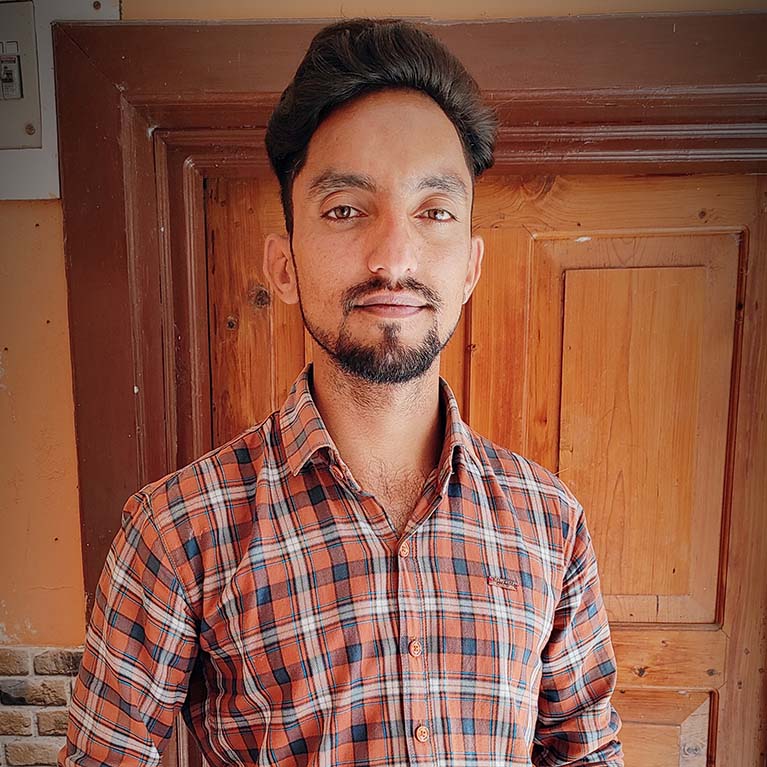
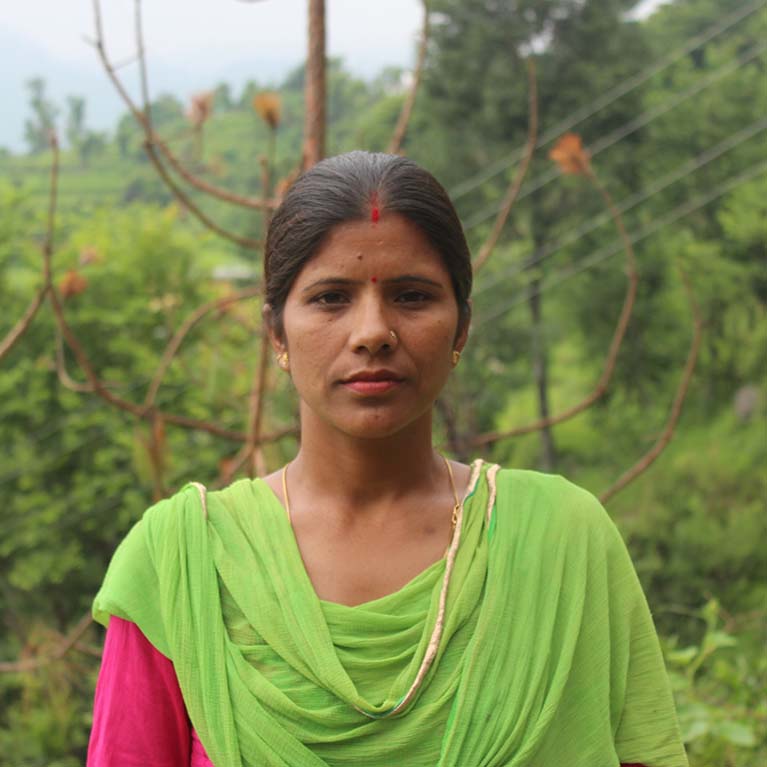
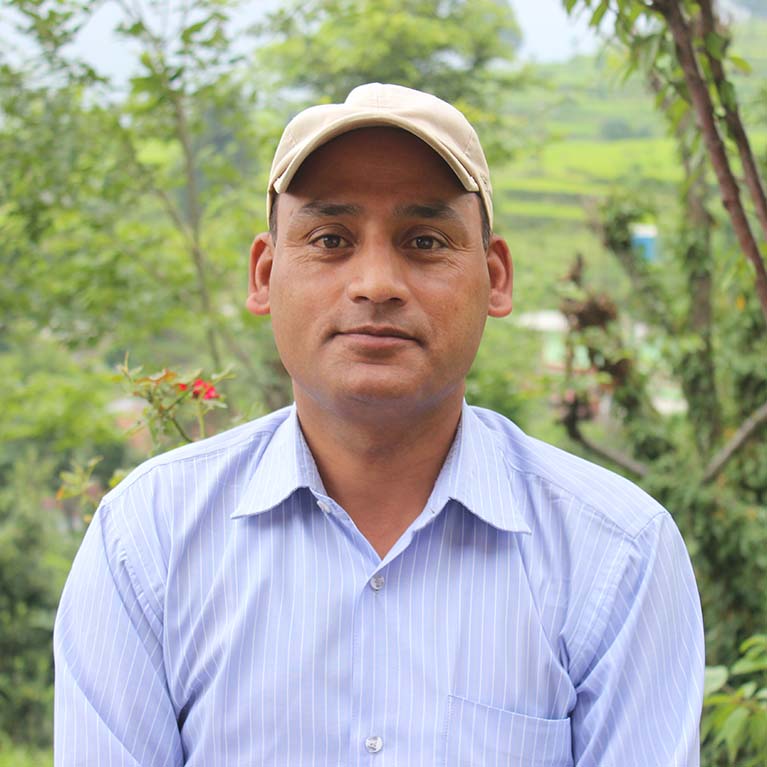
The Mount Valley Development Association (MVDA), a dedicated non-profit organization founded in 1995, is reshaping the future of rural India by championing girl child education. Through its flagship initiative—the Girl Child Education Program (GCEP)—MVDA is enabling young girls to overcome societal barriers, pursue quality education, and emerge as empowered leaders within their communities.
This transformative program is implemented in collaboration with IIMPACT, a renowned organization committed to providing quality primary education to underprivileged girls in rural areas. IIMPACT believes that educating a girl not only transforms her life but also uplifts her family and strengthens the community.
The program targets girls between the ages of 6 and 14 and is currently operational in the districts of Tehri, Uttarkashi, and Haridwar in Uttarakhand. In all these districts, the program is being implemented by MVDA with the support of IIMPACT, ensuring that education reaches the grassroots and addresses the specific needs of these communities. Thousands of out-of-school girls are now receiving the opportunity to learn, grow, and aspire for a brighter future.
These girls are not just learning to read and write—they are developing confidence, leadership skills, and a sense of self-worth, empowering them to become changemakers in their families and communities.
A key strength of the program is its emphasis on community involvement. Parents and local stakeholders are actively engaged and encouraged to support and sustain girls’ education, making the initiative more impactful and long-lasting.
The partnership between MVDA and IIMPACT stands as a powerful commitment to social transformation through education. Together, they are not just educating girls—they are nurturing a generation that will uplift entire communities.

Against All Odds: The Quiet Revolution of MVDA’s Teachers Empowering the Girl Child in Uttarakhand
“The soul of education is not just in curriculum, but in conviction. And conviction lives in every teacher who refuses to give up.”
In the serene, often rugged terrains of Tehri, Haridwar, and Uttarkashi, where towering peaks meet remote villages, a quiet revolution is underway. Not one with banners or rallies, but one far more powerful — a classroom, a chalkboard, a determined girl child, and behind her, a teacher who dares to believe.
This is the story of the unsung heroines of the Mount Valley Development Association (MVDA) — the teachers of the Girl Child Education Program (GCEP). These women aren’t just educators. They are change-makers, warriors, and dream-weavers working tirelessly to ensure that every girl, no matter how forgotten by the system, gets her right to education.
Beyond Teaching: A Mission in Motion
Since its inception in 1995, MVDA has been at the forefront of girl child education. GCEP was launched in 2013 and has expanded to 139 learning centers across three districts. But the real story isn’t in the numbers — it’s in the lives changed, the dreams awakened, and the spirit of perseverance shown by teachers like Rajani from Haridwar.
“At first, society and caste barriers made it hard,” Rajani shares. “But seeing girls like Avani, Rashi, Sheetal, and Mansi grow into confident young learners — that makes it all worth it.”
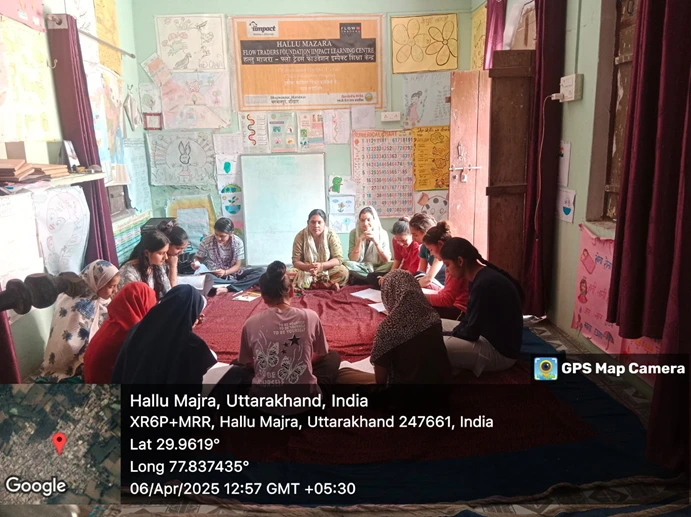
Her pride in helping 30 girls each year speaks volumes. Training sessions, parent meetings, and community outreach have helped change mindsets slowly but surely. But Rajani also suggests deeper alumni engagement: “Certificates are great, but we need more activities to connect past students and show what’s possible.”
Innovation in Teaching, Courage in Action
Priyanka Saini, also with MVDA since 2018, knows the uphill battle of re-enrolling dropouts all too well.
“We teach through play. Kits for maths, language, even environment — they help girls understand instead of memorize. Still, many parents are unaware. I’ve had to find my own ways to convince them.”
Her efforts bore fruit. Students like Hina, Mantasha, Heena, Samneer, and Ayesha are now proudly holding first-division marks in their 10th board exams.
Training the Mind and the Heart
MVDA isn’t a one-size-fits-all learning setup. Its strength lies in multi-grade, multi-level teaching, with personalized learning and practical tools like the Jodo Gyan Kit, Agastya environmental kit, and language kits.
Dipa Saini, with the program since 2018, sees it as her life’s purpose.
“Teaching girls is not just a job — it’s passion. Unlike schools where students are expected to memorize, we focus on activity-based understanding. MVDA’s training really helps us manage every challenge.”
Her pride shines when she talks about Urvashi, Sarika, and Lakshmi, who are now pursuing their BSc — a dream once too far-fetched.
Learning by Doing, Changing by Believing
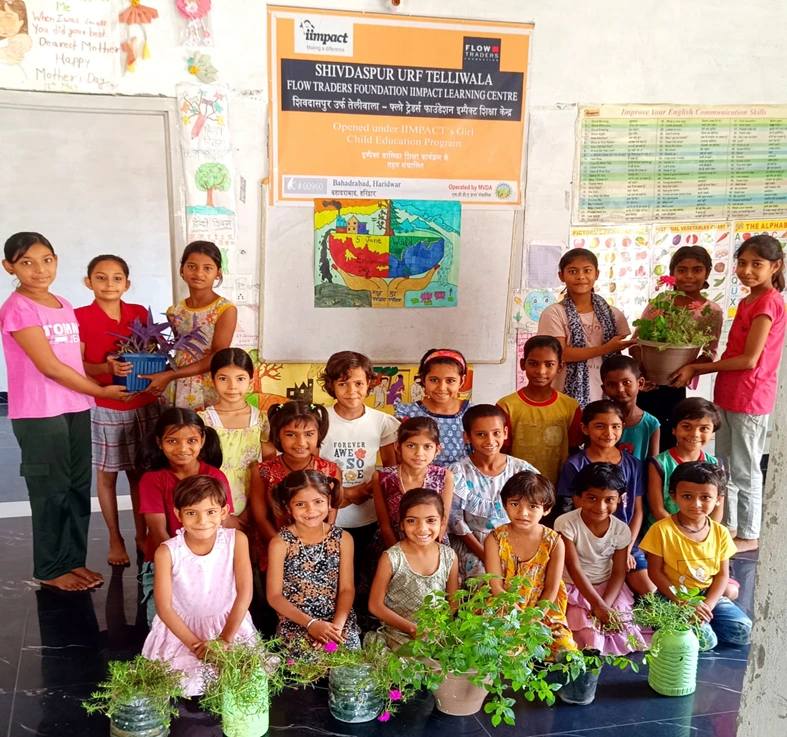
From Haridwar, Rachanna (joined 2022) teaches through the principle of “learning by doing.” Her students use kits and projects to grasp concepts deeply — and it works. Anshika and Samiksha, her star students, scored an impressive 59% in 10th grade despite social opposition.
“Parents still force girls to drop out. But this program — it gives us tools to help girls stand tall and keeps us strong in the face of adversity.”
Resilience in the Hills of Uttarkashi
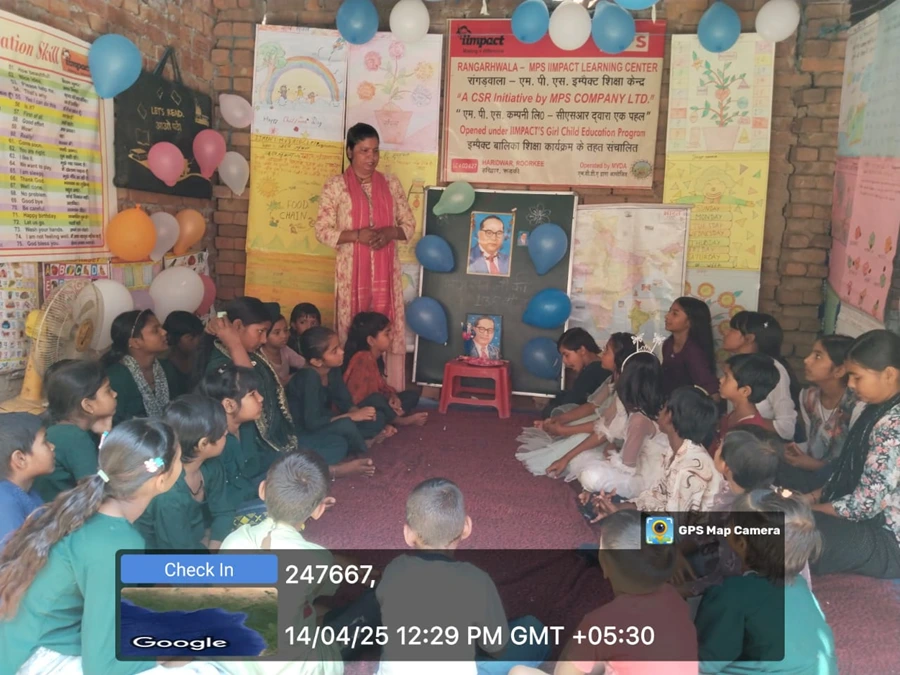
Neha, who has been part of GCEP since 2019, shares a deeply moving story. Her center once faced a dropout wave when a new school opened nearby.
“But in just one week, all my students returned. They said, ‘We want to learn from you.’ That moment changed everything.”
Her students Bhumika and Shalini scored above 70% in class 12. Rachana, another student, has become fluent in English.
“The Aarambh Program is especially powerful. Life skills like leadership and communication are shaping confident young women. I tell parents — let your girls learn. It’s their life.”
Tailored Teaching for the Future
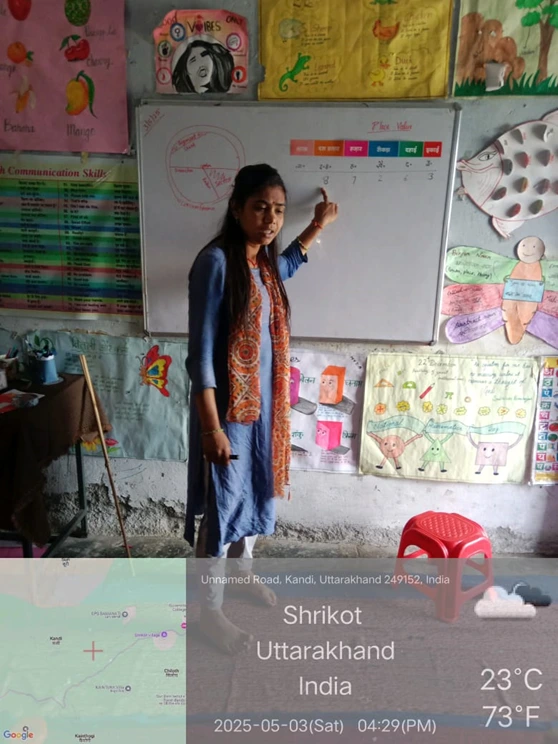
Puja from Jaunpur, Tehri Garhwal, joined MVDA in 2020 and embraced the challenge of teaching girls from multiple grades and learning levels. With time, she mastered the art.
“We use the method of introduction, recall, and review. It’s not just about syllabus; it’s about real learning.”
She mentions her star students — Akshita, Sweta, Deepika, and Anchal — with pride. She also appreciates corporate sponsors like Titan, who donated laptops to the center.
“Digital skills are the future. A local coaching center for post-12th students could change lives.”
Empowered Without a Degree
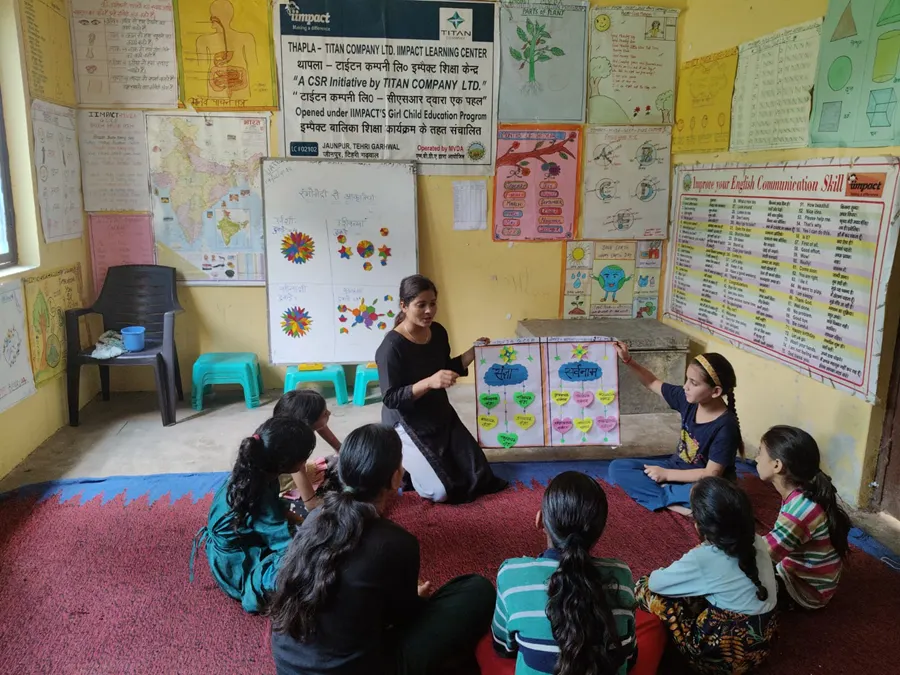
Suchita from Garhwal joined in 2019. Despite not holding a B.Ed degree, she’s been empowered by MVDA’s in-house training system.
“Government schools focus on rote learning. Here, we build understanding. Girls like Simran and Akansha have benefitted immensely.”
Her story highlights the power of specialized teacher training in underserved regions.
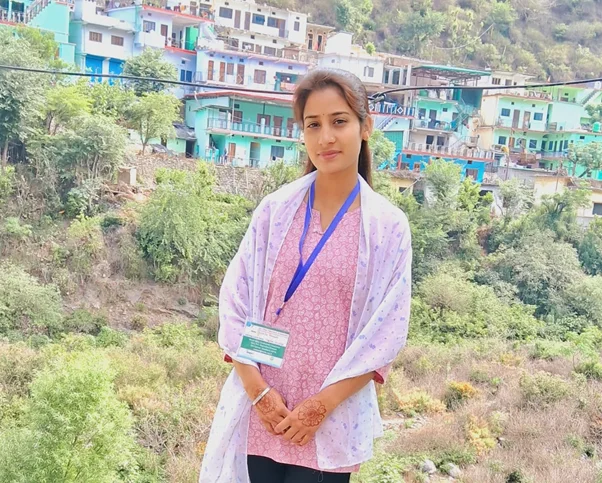
Parents as Partners
Poonam, since 2019, has seen a transformation in community mindset.
“Earlier, parents resisted. Today, they come forward asking us to teach their daughters. That’s the real reward.”
Her teaching style — topic-wise focused learning — has helped girls like Taniya, Arushi, and Diksha thrive.
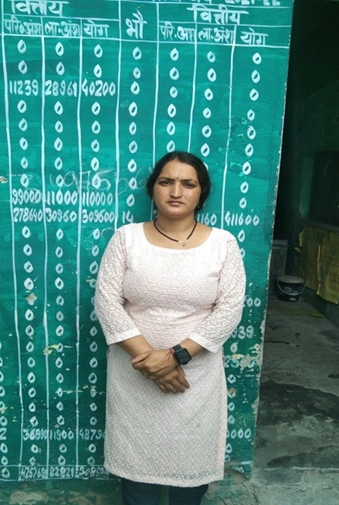
Starting with Doubt, Growing with Hope
Savita, who joined in 2019, admits that she once doubted the success of this mission. But perseverance paid off.
“Parents who once shut their doors now open them with smiles. It was hard to get them to talk during home visits. But now, they bring their girls to us willingly.”
Students under her guidance are excelling in their 9th and 10th-grade exams — proof that change is not only possible but inevitable.
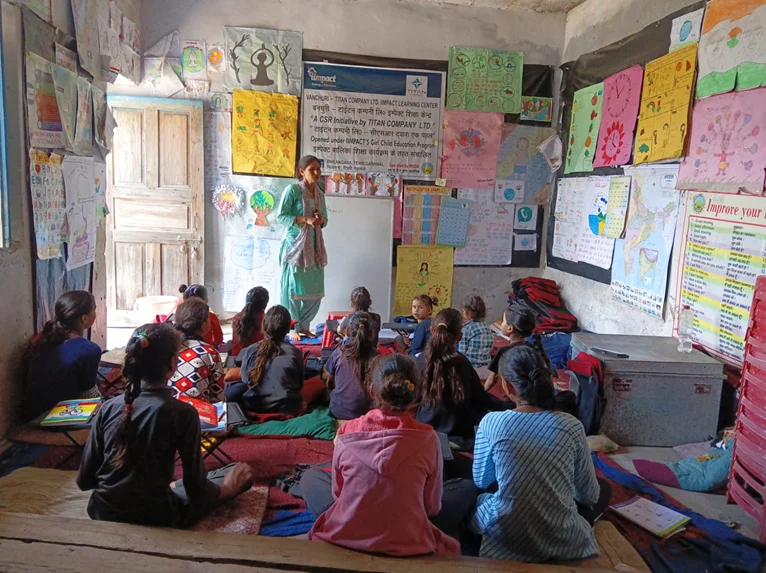
Powered by Support, Fueled by Hope
Behind this grassroots movement are key sponsors like Titan, MPS, HDFC Ergo, and Kotak, who support awareness campaigns, provide literacy kits, and fund essential training programs for teachers.
From life skills workshops under Aarambh, to Mother Literacy Programs, to gifting kits and digital tools — their support goes beyond philanthropy; it’s partnership for impact.
The Road Ahead: What the Teachers Want
Every teacher emphasized that certificates and alumni activities would boost the morale of past and present students. Many also called for:
- Post-class 5 support centers or bridge coaching to continue the girls’ journey
- Greater parental awareness campaigns
- More engagement programs to retain girls beyond primary level
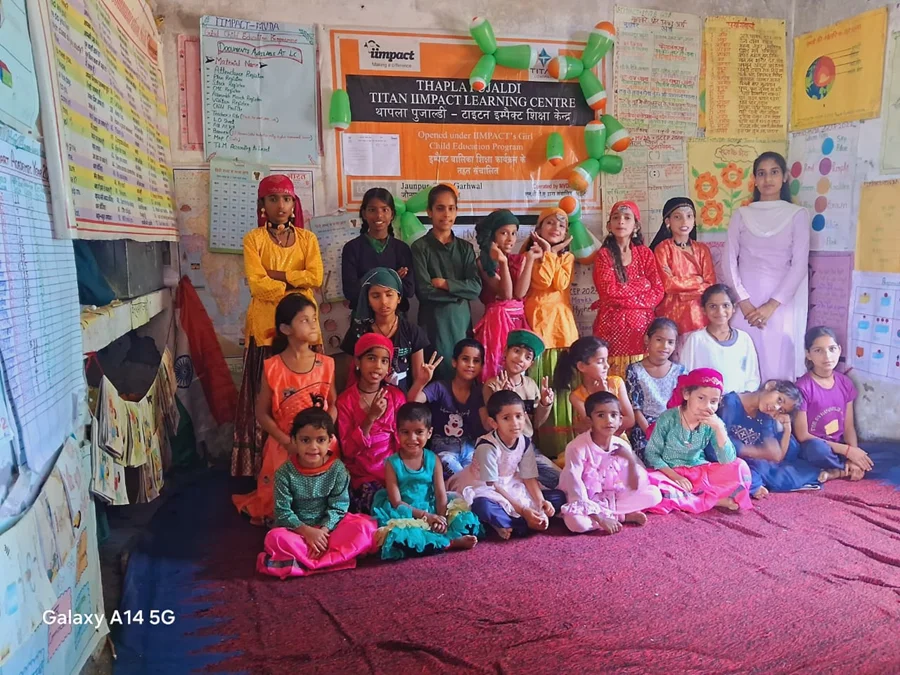
Conclusion: A Revolution Quietly Marches On
In the villages nestled among Uttarakhand’s hills, in dusty classrooms under corrugated roofs, a new India is being born. Not just because girls are learning — but because teachers are leading.
They teach, they inspire, they resist societal pressure, and they dream bigger every day.
As Neha says, “Let children learn — it’s their life skill.”
MVDA’s teachers aren’t just educating girls. They’re changing generations, one child, one family, one village at a time.
And this is just the beginning.
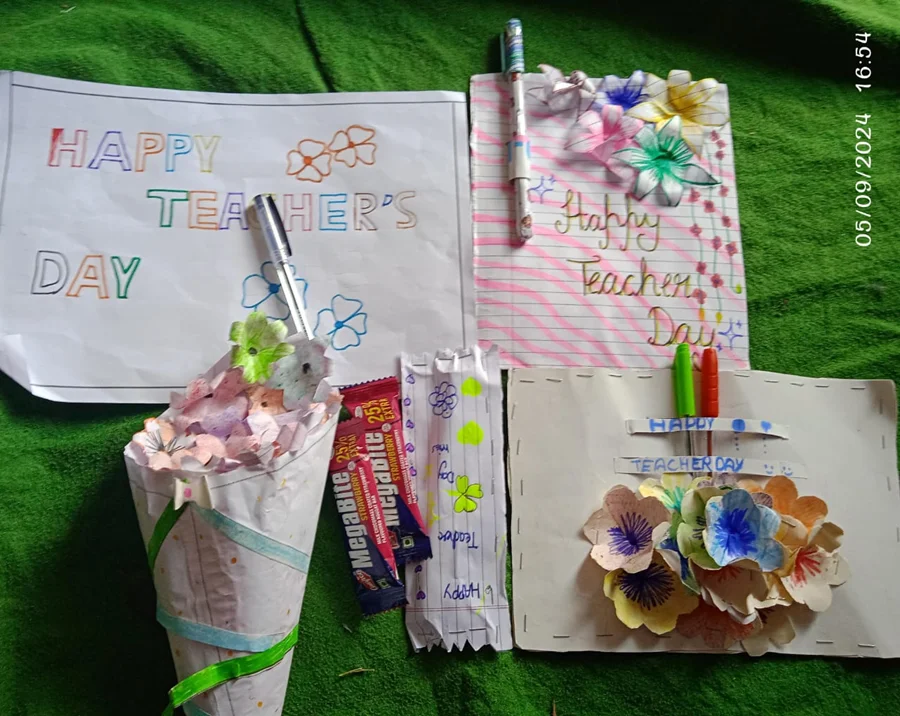
Stay tuned for more stories from MVDA’s Learning Centers — where courage teaches, and the girl child thrives.