ABOUT MVDA
A Journey of Hope and Change
"It started with a few questions, a few people, and a deep concern for our communities."
A Journey of Hope and Change
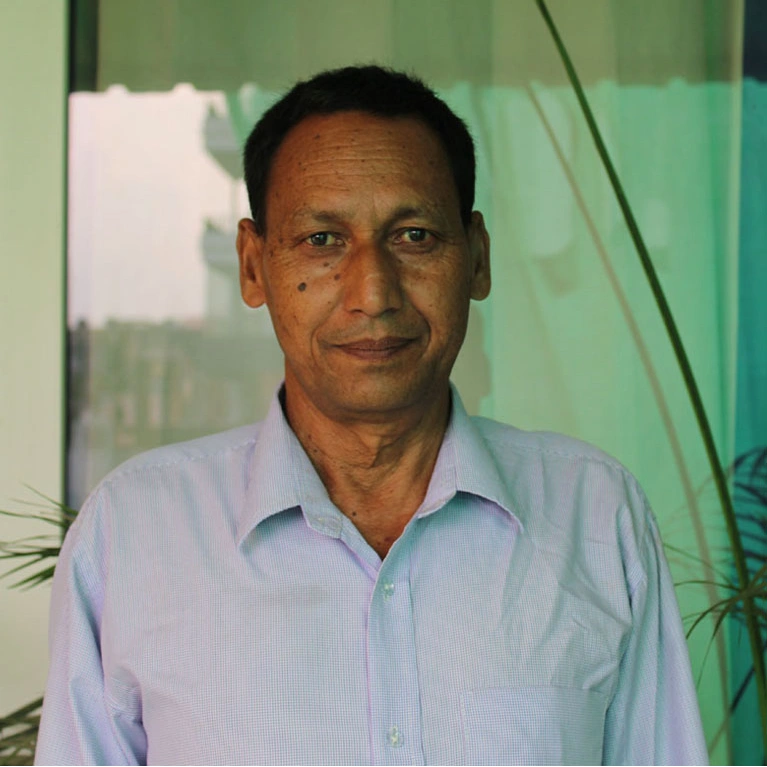
"It started with a few questions, a few people, and a deep concern for our communities." When I look back at the journey of MVDA, I often think about those early days in the villages of the Bhilangna Valley. In the early 1990s, I witnessed communities struggling with poverty, limited opportunities, unemployment and the slow pace of development. Families were working hard, yet their efforts were not always enough to secure a better future. Young people were losing hope. Women had limited opportunities to participate in decisions that affected their lives. Our natural resources were under pressure.
I could not stand by and watch. A simple question kept coming back to me: "If we are part of these communities, what can we do together to make things better?" I did not have all the answers. None of us did. What we had was the willingness to listen, to walk with people, to learn from their experiences and to believe that communities themselves hold much of the knowledge and strength needed to create change. Inspired by the principles of the Sarvodaya movement, we began working with young people, women and rural communities. Slowly, small efforts began to take shape. We started with strengthening livelihoods, working with local institutions, protecting natural resources, creating awareness, and helping people connect with opportunities and government programmes. In 1995, these efforts took an organised form with the establishment of the Mount Valley Development Association. But for me, MVDA was never just an organisation. It was, and remains, a relationship of trust with the people we work alongside. Over the years, the work has grown far beyond what we could have imagined in those early days. We have worked in agriculture and livelihoods, education, women's empowerment, health, natural resource management and climate resilience. We have walked into villages with challenges that sometimes seemed too large, and we have witnessed communities find their own strength to overcome them. And that is perhaps one of the most important lessons of my journey with MVDA. Development is not something we do for people. It is something we build with people.
I have seen a farmer regain confidence as her income improved, women speak up in decisions that once excluded them, young people find possibilities beyond migration, and girls begin to imagine an education and a future of their own. I have seen communities come together when times were hardest. These moments remind me why we began. Today, MVDA is much bigger than the group of people who started this journey. It belongs to our field teams who travel difficult roads to reach distant villages; to the women, farmers, children and young people who have trusted us; to our volunteers, partners, donors and supporters; and to every person who has contributed, even in a small way, to this journey. I am deeply grateful to all of them. More than three decades have passed, but the question that started MVDA still guides us: “What more can we do for our communities?” The challenges have changed. Climate change, migration, changing livelihoods, inequality and access limited access to quality education and healthcare are creating new realities for rural communities. But our commitment remains the same. To stay close to the people. To listen before we act. To respect local knowledge. To create opportunities rather than dependency. And to stand beside communities as they build a future that is more dignified, resilient and sustainable. I may have helped plant the first seed of MVDA, but the communities have nurtured it, our people have carried it forward, and countless partners have helped it grow. For that, I will always remain thankful. The journey that began in the hills with a small group of people and a simple belief continues. There is still much to do, many dreams to support, and many communities waiting to be heard. With hope and gratitude, Avtar Singh Negi Founder Secretary Mount Valley Development Association
Who We Are
Mount Valley Development Association (MVDA) is a grassroots development organisation working with rural and mountain communities in Uttarakhand and the wider Himalayan region. Our journey began in the early 1990s in the villages of the Bhilangna Valley in Tehri Garhwal and took formal shape in 1995.
For more than three decades, MVDA has worked alongside mountain communities to create opportunities, strengthen local institutions and respond to the challenges that shape everyday life in the region. Our work has grown across generations,yet our core belief has remained the same: development is not something we do for communities; it is something we build with them.
What We Work On
MVDA works across interconnected areas of community development, recognising that livelihoods, healthcare, education, natural resources and resilience are closely linked to each other. Our work spans across:
- Rural livelihoods and local economies
- Agriculture and horticulture
- Women’s empowerment and economic participation
- Natural resource management and climate resilience
- Healthcare and community well-being
- Primary education and learning opportunities
- Skills development and capacity building
- Community resilience and humanitarian response
Our Approach
Our approach is rooted in listening to communities, respecting local knowledge and building local ownership. We work with smallholder farmers, women, children, rural youth, community institutions and other local stakeholders to develop practical solutions that respond to local realities.
Across our programmes, we seek to strengthen capacities and institutions, connect communities with markets, government programmes and essential services, and create opportunities that can continue beyond individual projects.
Three Decades of Community Partnership
Over the years, MVDA has implemented development and humanitarian programmes in partnership with International and national development Institutions, CSR foundations, academic institutions, government bodies and other stakeholders. Our experience includes strengthening farmer collectives and women-led enterprises, supporting girls’ education, improving last-mile accessibility to primary healthcare, promoting climate-resilient livelihoods and helping communities recover and rebuild their lives after disasters.
Our Commitment
As mountain communities face changing livelihoods, out-migration, climate change and evolving challenges in education, healthcare and economic opportunities, MVDA remains committed to staying close to the people, listening before we act, valuing local knowledge and creating opportunities rather than dependency.
We continue to work towards mountain communities that are more dignified, resilient, self-reliant and able to shape their own futures.
Our Core Values.
Our core values guide how we work, how we engage with communities, and how we build partnerships. They shape our approach to creating inclusive, sustainable, and locally rooted pathways for development in the Himalayan region.
1. Co-Creation
We believe in working with communities, not simply for communities. Whether we engage with schools, children, youth, women, farmers, or local institutions, we value their knowledge, ideas, experiences, and aspirations. We involve communities in shaping, implementing, and strengthening solutions that respond to their realities.
2. Informed Engagement
We build trust through open communication, transparency, and meaningful participation. We keep our stakeholders informed and create opportunities for them to contribute to planning, decision-making, implementation, ownership and learning. We believe that informed participation leads to stronger relationships and more responsive development initiatives.
3 Community Ownership
We believe lasting change happens when communities are empowered to lead and take ownership of their development. We strengthen local leadership, institutions, knowledge, and capacities so that communities can sustain and build upon initiatives beyond the period of external project support.
4. Collaboration & Partnership
We believe complex development challenges require collective action and cannot be addressed in isolation. We build meaningful partnerships with communities, government, civil society organisations, corporates, academic institutions, donors, and technical experts. By bringing together diverse knowledge, resources, and expertise, we work towards solutions that are more relevant, effective, and sustainable.
5. Hope & Possibility
We believe that every individual and community has the capacity to create positive change. We approach our work with optimism, courage, and a solutions-oriented mindset. By recognising existing strengths, creating opportunities, and nurturing agency, we help individuals and communities build pathways towards a more hopeful and resilient future.